
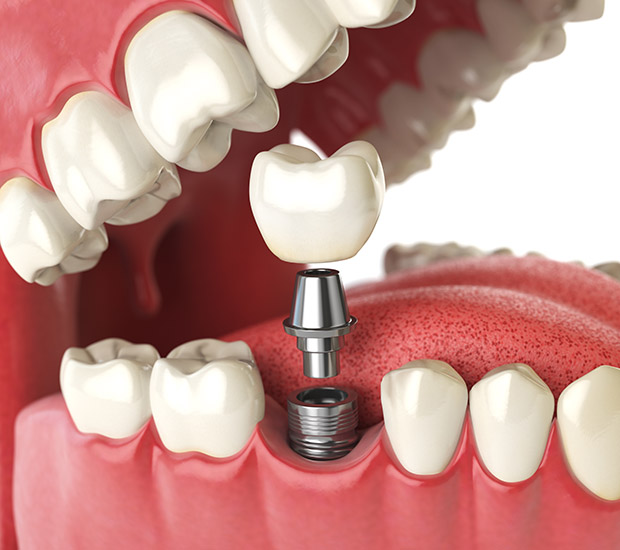
A bone graft, or bone augmentation, for dental implants ensures a strong and secure hold for the artificial tooth before placing the implant. Bone grafting rebuilds density in the jawbone after the loss of bone occurs, which commonly results after tooth loss. Although a bone graft procedure may not be a desirable experience, it makes a massive difference in the long-term results of the dental implant process.
Our team offers a bone graft for dental implants when necessary, along with providing assistance and treatment throughout the entire dental implant process. There is no reason to live with the insecurity of a missing tooth or several teeth. We can help restore the appearance of one’s smile and the function of the teeth.
To learn more about a bone graft for dental implants, give us a call at 626-440-9095 to schedule a consultation visit.
Bone Grafting for Dental Implants

The Centers for Disease Control and Prevention (CDC) states that as of 2023, nearly one in six adults aged 65 or older had lost all their teeth.. It is essential to restore lost bone in the jawbone through bone graft treatment after tooth loss. By completing this procedure, it can help to ensure a future implant and artificial tooth are properly supported long-term. A bone graft is a procedure to rebuild lost bone inside the jaw and recommended for patients who experience loss of bone density as a result of tooth loss.
Good candidates for a bone graft include those who are planning to undergo implants for missing teeth, those with tooth loss or gum disease, and those with bone loss. While the jaw and gums support natural teeth, the teeth also help to stimulate the jawbone. When tooth loss occurs, the supporting bone loses its primary purpose, and the process of resorption begins. This process occurs when the body absorbs calcium from the jawbone and distributes it to other areas of the body.
The lack of calcium in the jawbone makes it more difficult to support the implant. Resorption will also mean there is less bone that can bond with the titanium implant and help to solidify a firm hold of the implant. The purpose of a bone graft procedure is to rebuild bone density that may have become lost after the natural tooth becomes lost.
What are the different types of bone grafts?
A bone graft is a procedure done to repair or rebuild the bone by transplanting bone tissues. After grafting, the bone will be strong and thick enough to hold dental implants. The transplantation process allows the dentist to recreate the missing bone and supporting tissues. The types of bone grafts include:
- Autograft – The bone for the grafting procedure can come from the patient’s body in parts like the hip, chin, jaw, or leg. An autograft means that the samples come from the patient with no risk of rejection.
- Allograft – Sometimes, the bone can be from another person, like a cadaver. This type is specially treated to remove bacteria and other biological elements to ensure the graft material is purely bone material. There are minimal to zero risks of rejection and saves the patient from a secondary bone transplant process.
- Xenograft – these are bone material taken from animal sources. The samples undergo treatment to make them safe to use for the patient.
- Other times, the bone can also come from a synthetic biocompatible material.
The choice of the source of the bone graft material depends on what the dentist believes would be the most suitable for the patient.
What happens during the bone graft procedure?
During a bone graft, the dentist will make an incision in the gum tissue over the bone-deficient area. Once the bone area is visible, they will put in the bone graft material and may cover the entire area with a special membrane to encourage growth. The dentist will then close the area with self-dissolving stitches.
Bone Augmentation
The dentist performs bone augmentation when there is minor bone loss. It serves the same function as a bone graft, which is to augment or build the jawbone and make it denser and stronger. During the procedure, the dentist will open the gum tissue over the area. Since the level of bone loss is low, only the augmentation material is added.
Following the Bone Grafting Procedure
After the procedure, the dentist may prescribe antibiotics to prevent infection, as well as pain meds to manage the pain. Most patients who undergo a bone graft procedure will experience minimal or no pain. However, they may need antibiotics. It is essential that you follow the dentist’s instructions and use meds accordingly.
The dentist will allow some time so that the bone graft can fuse with the natural bones. Since every patient is unique, it is hard to tell how long the fusion process will take. It usually takes between three months to a year for the bone rebuild process to complete. The patient will need to visit the dental office regularly for checkups until the dentist thinks the time is right to place the implants.
What can I expect after a bone graft procedure?
Although patients differ in their condition, oral health status, and recovery, there are various ways to help the jaw heal faster. Bone grafting may result in swelling, bruising, and minor bleeding of the gums after the procedure. To recover as quickly as possible, stick to soft foods and avoid dark beverages or sugary drinks. Along with that, it is essential to practice good oral hygiene through a gentle brushing and flossing routine and using mouthwash.
We encourage patients to look for a qualified oral surgeon or implant specialist as they are most skilled at bone graft procedures. It is important that patients play an active role in their oral health and understand their treatments as well as who is performing them. As your dentist about their experience with bone grafting and how successful their treatments were. It may be a good idea to look at before-and-after testimonials and patient reviews online prior to scheduling a consultation.